A new roof,
chosen with care.
Talvoriq is a fictional roofing studio used to demonstrate how a residential replacement site can be structured — from materials, to shingle-to-shingle detail, to a calm, step-by-step estimate.
Demo estimate only — prefilled examples, nothing is submitted or stored.
- Condition survey
- Materials comparison
- Installation detail

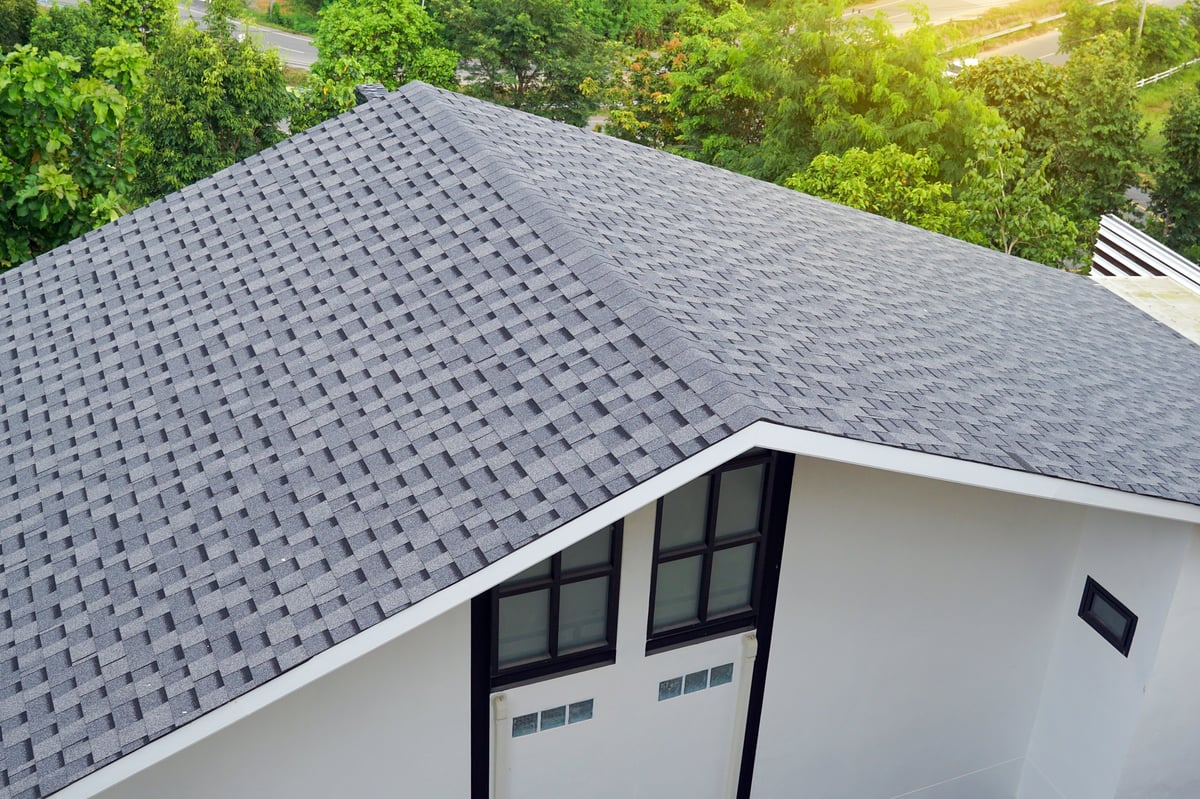
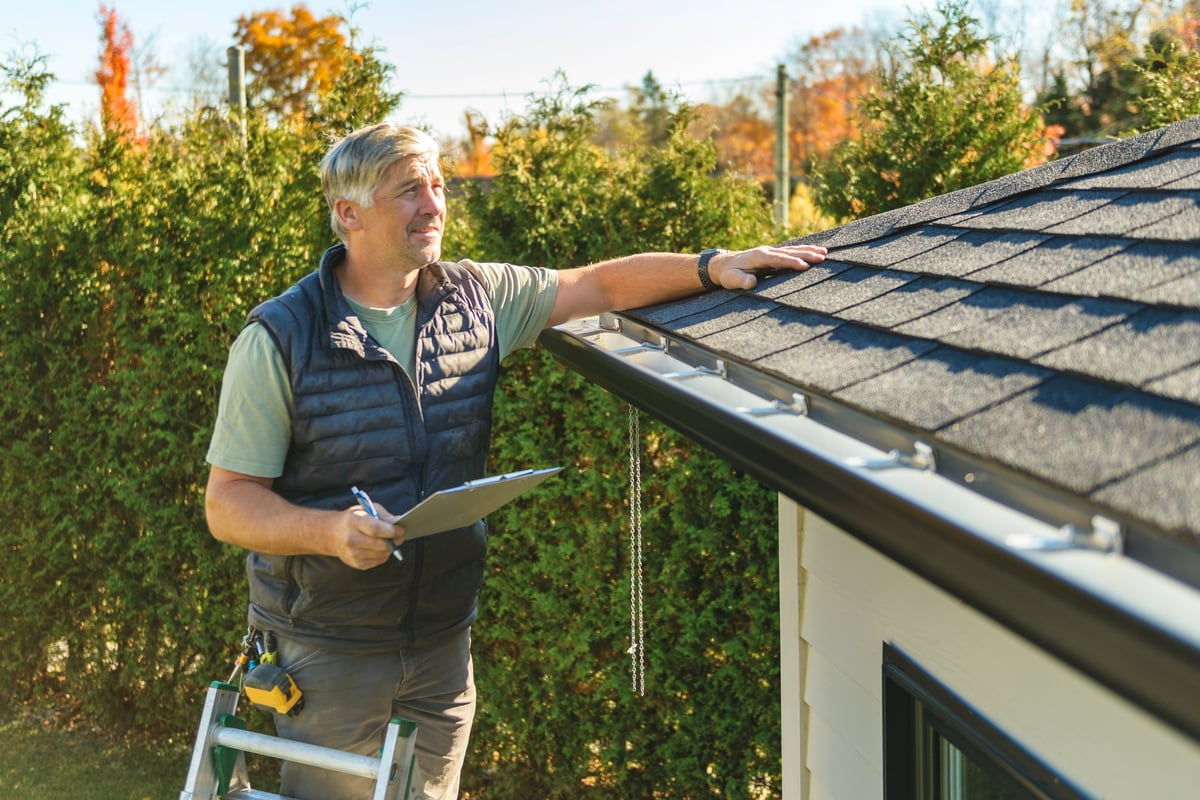
Illustrative image
Steep-pitch asphalt shingle replacement — sample visual for this template.
6
Demo steps
What we do
The whole roof, in the right order.
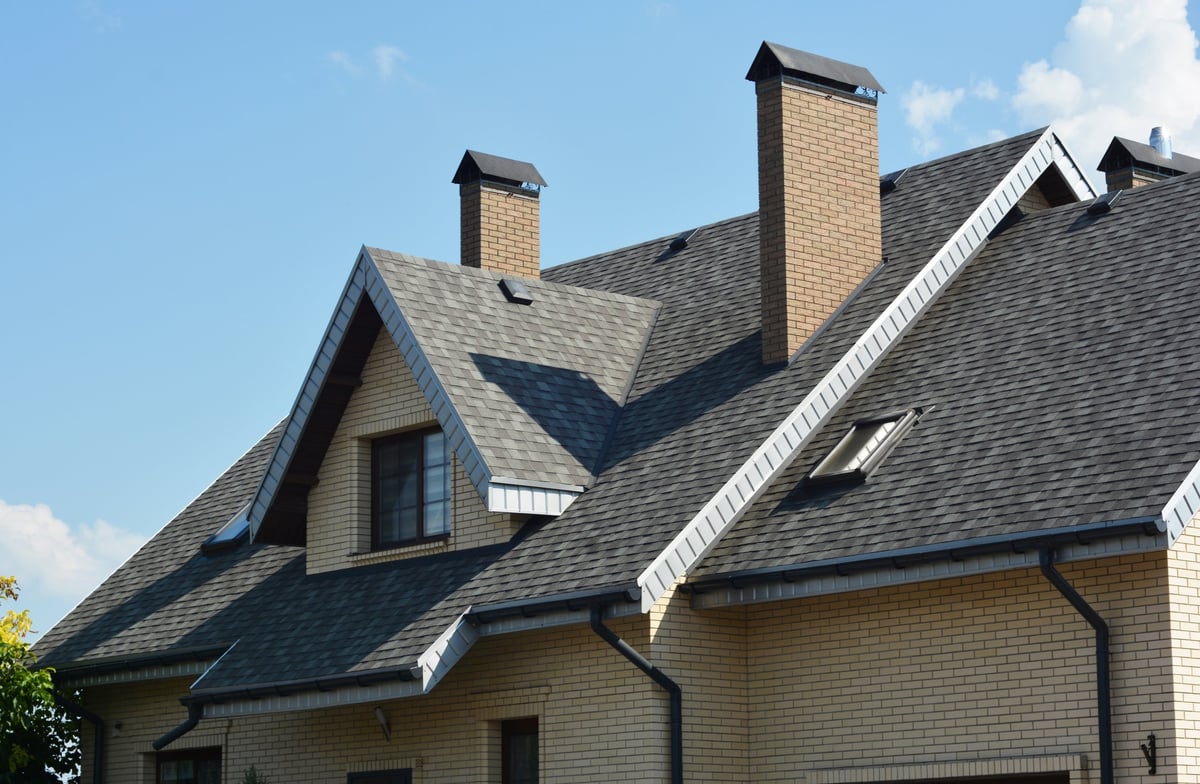
Replacement is a sequence of decisions, not a single purchase. This template walks through each step as a prospective homeowner would need to see it.

02Materials & profiles
Architectural shingle, cedar shake, standing seam and slate-look options compared on cost, lifespan and look.
03Tear-off & decking
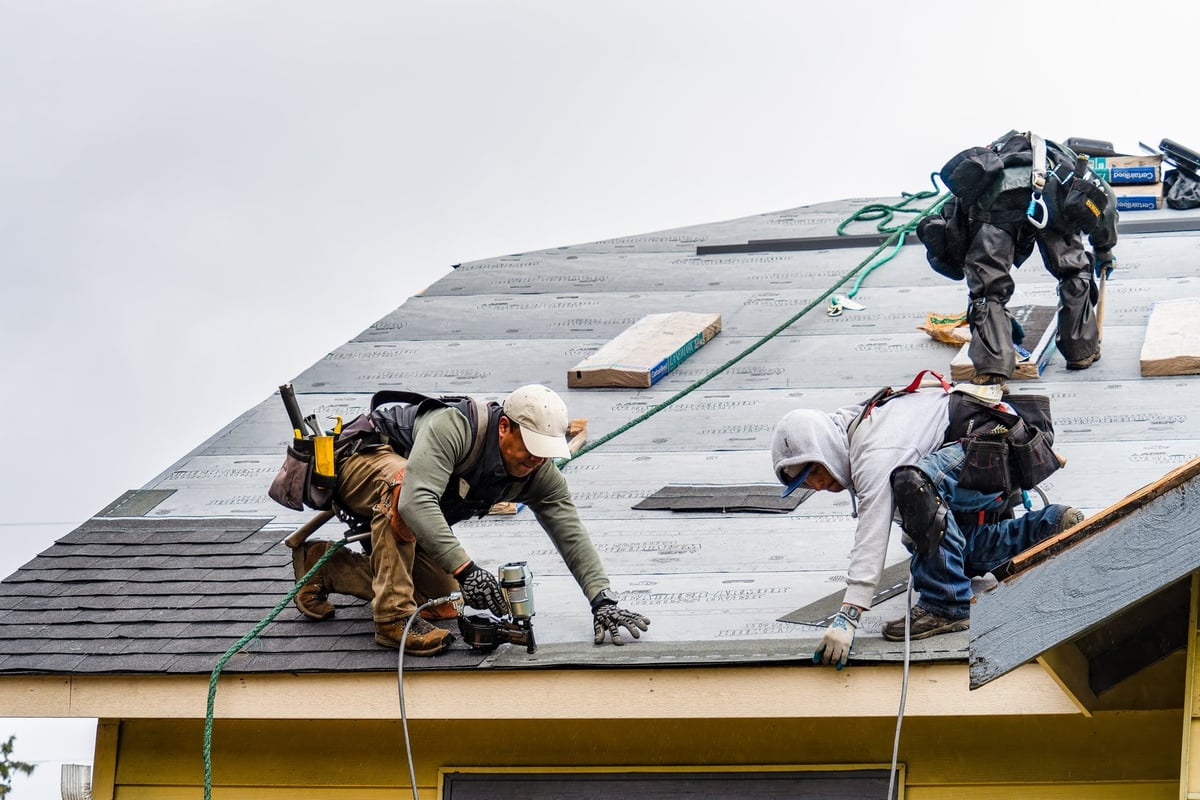
Full removal, inspection of the sheathing, and replacement of any soft or delaminated decking before covering.
04Installation & detail
Underlayment, ice-and-water protection, drip edge, ridge venting and clean site handover.
Materials, compared
Four ways to cover
the same roof.
Each material changes the character of the house as much as the budget. The figures below are illustrative template values for comparing relative cost and lifespan — not quotes.
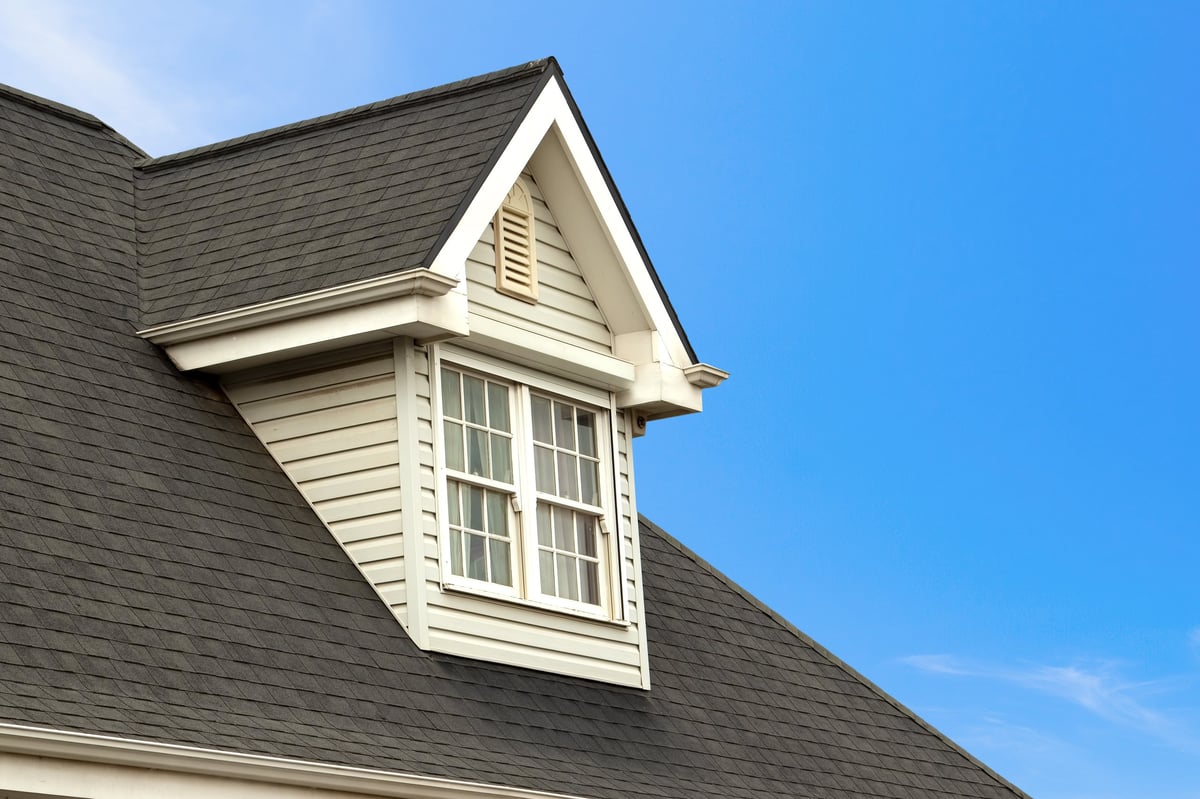
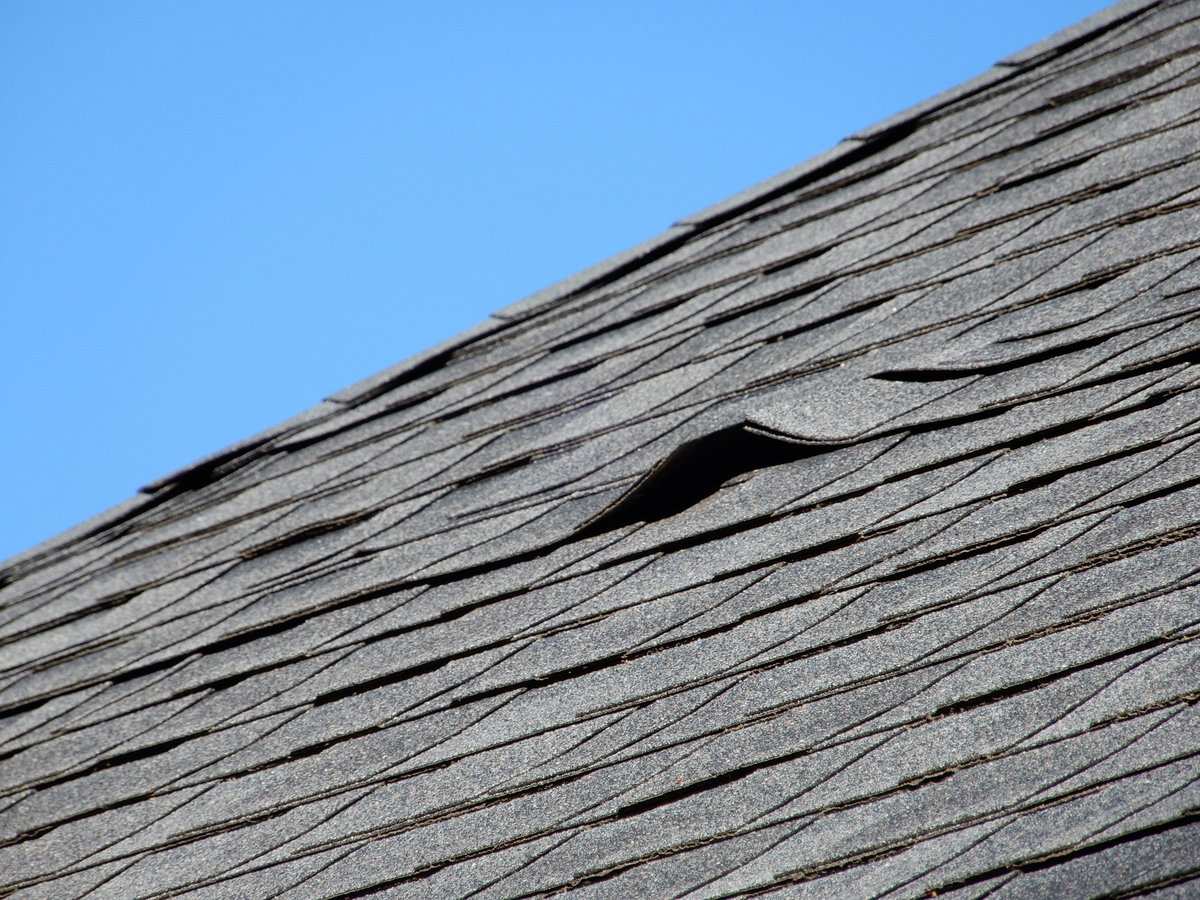
Illustrative image — dormer detail on a completed roof.
Architectural asphalt
Most commonLayered fiberglass shingles with a dimensional shadow line. Broadest range of colours.
Cedar shake
Warmest lookNatural wood shakes with deep texture that softens over time. Needs periodic care.
Standing seam metal
Longest lifeConcealed-fastener metal panels. Clean lines, reflective finish, minimal maintenance.
Slate-look composite
Heritage styleDeep-toned tiles reproducing slate courses at a fraction of true slate's weight.
Cost and lifespan ranges are illustrative sample figures for this fictional template. Real comparisons depend on roof size, pitch and local conditions.
Project gallery
Three roofs, three briefs.
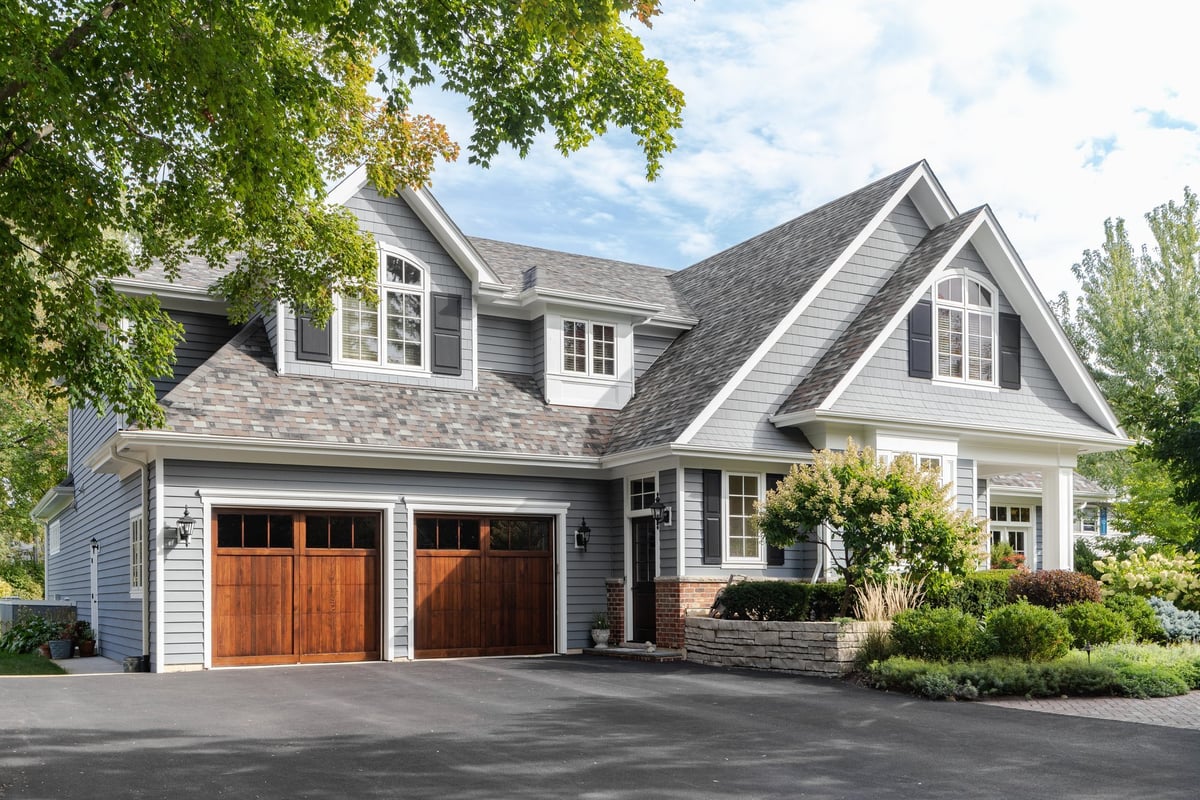
Sample 01Cedar shake · steep pitch
Cedar-clad dormer & full replacement
A 1980s house re-roofed with hand-split cedar shakes, including rebuilt flanking and new valley flashing.
Project detail
Sample 02Standing seam metal
Modern farmhouse re-roof
Two-gable elevation re-covered in dark standing seam with concealed fasteners and a low-profile ridge vent.
Project detail
Sample 03Asphalt shingle
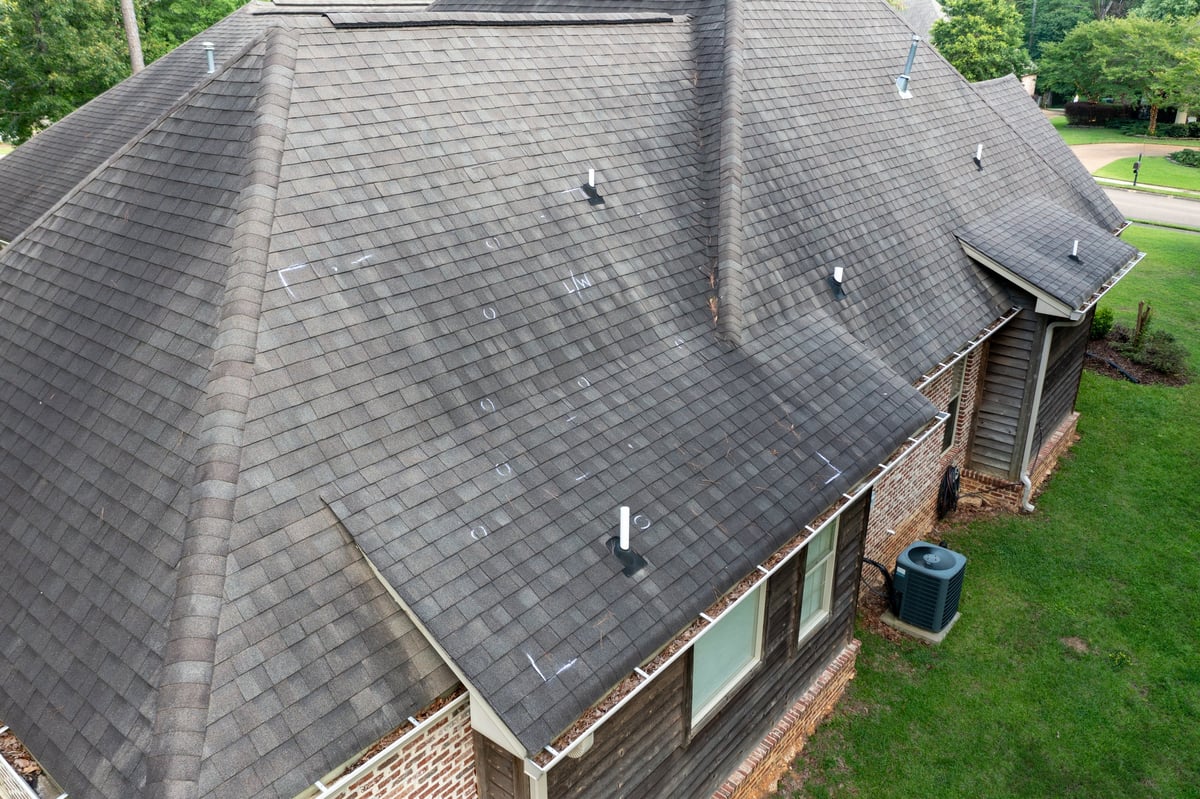
Hail-damaged roof survey
Documented impact marks and soft spots across a north-facing slope before a full tear-off.
Project detailEstimate preview
See how a quote is built, line by line.
A roof replacement estimate is easier to trust when you can see what's inside it. The preview form shows the fields a real intake would collect — house type, roof area, pitch, material and timetable — and how they shape the line items.
- Read-only prefilled example — nothing is submitted or stored
- No address, phone number or personal details required
- Line items grouped by tear-off, decking, materials and detail
Demo estimate
Gable-front, 1990s
- Roof area
- 2,100 sq ft
- Pitch
- 7:12
- Current covering
- Asphalt shingle, 2 layers
- Proposed material
- Architectural asphalt
- Decking repair allowance
- Included (12 sheets)
Sample figures for the template only — not a quote and not specific to any real property.
Questions
What homeowners
usually ask.
General roofing guidance for the template. No responses are recorded and no contact details are requested anywhere on this demo site.
How long does a residential replacement take?
Most single-family roofs are torn off and re-covered in one to three working days depending on square footage, pitch, weather and how much decking needs replacing. Complex roof lines or dormers extend the schedule.
Is a full tear-off always necessary?
Not always, but it is the most common approach when there are already one or two layers. Removing the old shingles lets the decking be inspected and replaced where soft, which matters for the new roof's lifespan.
What does an estimate normally include?
A clear estimate usually separates tear-off and disposal, decking repair, underlayment and ice protection, selected materials, flashing and vents, labour and final site cleanup — so the total is traceable to specific work.
How do I compare shingle types fairly?
Compare on warranty terms, wind rating, weight, colour range and whether the manufacturer requires a specific underlayment and ventilation system. Cost per year of expected life is often a more useful figure than the headline price.
What should I do right after a storm?
Photograph any marks or displaced shingles, avoid walking on the roof, and have the slope documented during an inspection before patching. Chalked impact marks are a normal part of that documentation.
Next step
Walk through a replacement,
from survey to ridge line.
Explore the estimate preview to see how the template frames a roof replacement decision. Everything here is illustrative.